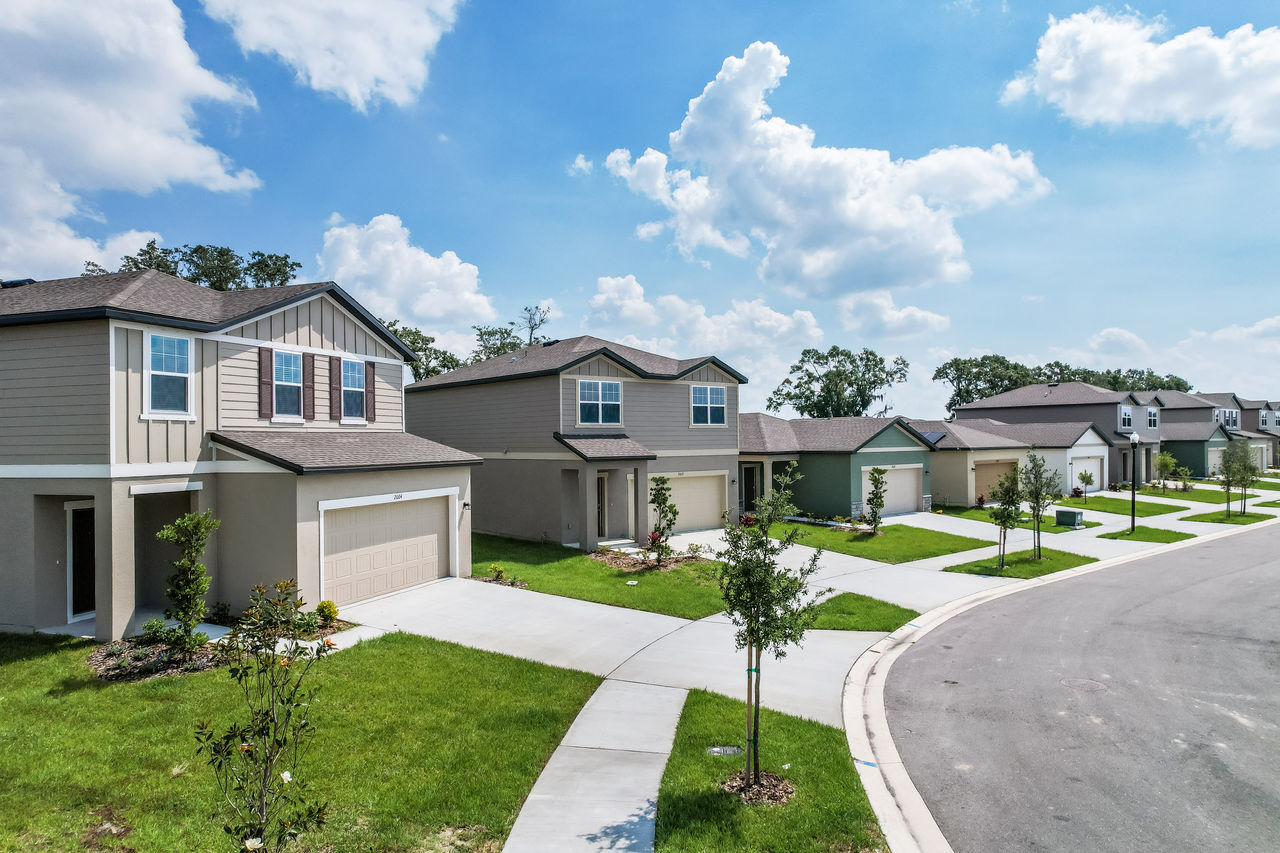
Private Equity Buying Homes Institutional Home Investment Guide
In recent years, private equity buying homes has emerged as a powerful and sometimes controversial trend in residential real estate. When large investment firms acquire portfolios of single-family homes, convert them to rentals, or bulk purchase in high-growth markets, they shift the landscape for homeowners, renters, and smaller investors alike. This article delves deep into how private equity firms approach home acquisition, the underlying motivations and strategies, real-world examples, technology’s role, benefits and pitfalls, use cases, and key considerations, offering you a comprehensive perspective on this transformational investment model.
Why Private Equity Firms Are Buying Homes
Private equity firms entering the residential home market respond to several structural drivers and market conditions.
First, many housing markets face supply constraints, high construction costs, regulatory delays, and zoning limitations. These obstacles limit new housing development, making existing homes more attractive as assets with scarcity value.
Second, the demand for rentals remains robust, especially in regions where homeownership is out of reach for many buyers due to down payment or credit constraints. Private equity sees opportunity in capturing yield through long-term rental revenue, supported by demographic and mobility trends.
Third, the scale, resources, and capital access that private equity brings enable efficiencies unattainable by traditional landlords. Bulk acquisitions, centralized operations, data analytics, and optimized maintenance give them cost advantages over smaller owners.
Fourth, private equity managers often seek less correlated asset classes. Residential real estate, especially when institutionalized, offers a diversification play away from equities or commercial real estate. The stability of rent, along with upside from appreciation, makes homes attractive for institutional portfolios.
Finally, rising interest rates and stricter mortgage underwriting make it harder for many individual buyers to qualify for financing. Private equity firms, with ready capital, can step in and purchase without those constraints, giving them negotiating power in competitive markets.
How Private Equity Acquires and Manages Home Portfolios
Understanding the mechanics behind private equity home ownership helps reveal how these entities operate.
At acquisition, private equity firms often target distressed, undervalued, or off-market properties. They may buy foreclosures, bank-owned homes, or bulk packages offered by developers or liquidators.
Once acquired, these homes are aggregated into rental portfolios and managed at scale. The roles include leasing, maintenance, tenant screening, and capital improvements, all handled via centralized property management infrastructure.
Some portfolios adopt standardization, uniform renovation packages, lease structures, upgrade paths, and contractor networks across many homes. This reduces per-home management cost and improves predictability.
Portfolio managers continuously evaluate performance: underperforming homes may be sold or reworked, while capital is reallocated to better markets. Exit strategies may include resale, conversion, or refinancing.
To support decision-making, private equity firms leverage market analytics, demographic data, GIS mapping, rent trend forecasting, and maintenance tracking systems, integrating insights into acquisition and operational planning.
Because private equity manages capital on behalf of investors (limited partners), it emphasizes disciplined metrics: return on invested capital (ROI), cash-on-cash yield, internal rate of return (IRR), net operating income (NOI) growth, occupancy, and exit valuation projections.
Real-World Examples of Private Equity Home Buying
Here are several illustrative examples of private equity firms or affiliated entities buying homes at scale, showing how their strategies are applied in the market.
1. Pretium Partners & Progress Residential
One high-profile example is Pretium Partners, an investment firm that built a large single-family rental (SFR) platform via its management arm, Progress Residential. Over time, Pretium acquired tens of thousands of homes, standardizing rental and creating scale across markets. Their volume, analytics, and uniform operations reflect how private equity can institutionalize the home rental sector.
2. HomeVestors / “We Buy Ugly Houses” under Private Equity Ownership

HomeVestors, known by the brand “We Buy Ugly Houses,” operates a franchise model where buyers locate distressed homes, renovate, and resell or rent them. It is owned by a private equity-backed parent, demonstrating how private equity can enter home buying via operating platforms that interface with local investors and renovation projects.
3. Blackstone’s Home Partners Acquisition

Another strategic move involved a large institutional real estate investor acquiring or aligning with Home Partners, a company with a portfolio of single-family homes leased to individuals. That acquisition brought many homes under institutional ownership or at least institutional control, expanding private equity’s footprint in the for-rent home sector.
These examples underscore how private equity does not merely buy a few homes but builds scalable systems, integrates vertically or partner-wise, and converts homes into institutional rental assets.
Benefits of Private Equity Home Investment
When private equity firms successfully execute home-buying strategies, several benefits accrue both for the firm and potentially for renters or markets.
Economies of Scale
By managing many homes, fixed costs (maintenance, marketing, overhead) are spread over many units, reducing per-unit expense.
Operational Efficiency
Sophisticated processes, tech tools, and standardized repairs reduce waste, improve maintenance turnaround, and enhance tenant satisfaction.
Access to Capital and Liquidity
Private equity has access to large pools of capital and favorable financing terms, enabling it to outbid smaller buyers or absorb short-term underperformance.
Portfolio Diversification & Yield
Institutional buyers can treat homes as another real estate asset class, diversifying away from retail, office, or industrial. Rental yields can complement income portfolios.
Exit Flexibility
Because of scale, private equity can time full or partial portfolio sales, rotate into higher-growth markets, or refinance at favorable terms.
Market Impact & Infrastructure
In some markets, private equity can raise standards, improving property quality, tenant services, and professionalizing the rental market infrastructure.
These advantages make home acquisition by private equity a compelling institutional strategy when done with discipline and responsible governance.
Use Cases: Problems Private Equity Buying Homes Solve
Private equity’s entry into residential markets addresses certain weaknesses or gaps in traditional home markets.
1. Liquidity for Distressed Homeowners
Some homeowners in distress or foreclosure prefer selling to fast, all-cash buyers who offer assurance and speed. Private equity can absorb those properties at scale.
2. Professionalizing the Rental Market
Many small landlords lack capacity to maintain properties or manage tenants well. Private equity ownership can upgrade quality and reliability in the rental housing stock.
3. Addressing Housing Supply Gaps in High-Demand Areas
Where new construction lags, converting existing homes into well-maintained rentals helps absorb unmet rental demand.
4. Portfolio Strategies for Institutional Investors
Pension funds, endowments, or other investors seeking real asset exposure can invest in private equity-backed home portfolios as a realistic, scalable vehicle.
5. Capital Recycling and Market Rotation
Private equity can rotate capital among regional markets selling homes in saturated or low,-growth areas and redeploying into rising ones, maintaining a dynamic portfolio op,timization.
These use cases show that private equity home investment is not only about control it is a structured, institutional solution to fragmentation, under-capitalization, and inefficiency in housing markets.
Risks, Challenges, and Responsible Considerations
Despite the attractions, private equity buying homes carries significant risks and requires cautious oversight.
Market Downturns
Residential home values are subject to recessions, mortgage rate shifts, or local shocks. Private equity portfolios may suffer capital losses if leveraged or overexposed.
Regulatory and Social Pushback

Critics argue that institutional ownership of homes reduces affordability, displaces first-time buyers, or unfairly influences rents. Local governments may impose restrictions, vacancy taxes, or caps.
Operational Complexity and Maintenance Burden
Homes are heterogeneous; each has unique repair needs, environmental issues, or tenant demands. Scaling operations can lead to maintenance backlogs or quality lapses.
Tenant Relations and Reputation Risk
Poor management, evictions, or neglect can generate negative publicity, regulatory scrutiny, or legal challenges—especially when large equity firms are perceived as impersonal or exploitative.
Capital Lock-up and Liquidity Constraints
Real estate is illiquid. When tied into many homes, funds cannot shift quickly into other opportunities without potential losses on sales.
Concentration Risk
If a portfolio is concentrated in one metro area or region, local economic downturns or policy changes can substantially damage returns.
Execution Risk and Alignment
Because private equity must deliver returns to investors, aggressive cost-cutting or overly optimistic underwriting may lead to underinvestment in property quality, raising long-term risks.
Responsible stewardship, transparent governance, alignment with communities, and buffer capital reserves are essential to mitigating these dangers.
Conclusion
Private equity buying homes marks a significant shift in residential real estate, bringing liquidity, scale, data-driven operations, and institutional capital into a historically fragmented sector. When done right, it offers diversification, yield, and infrastructure modernization, but it also raises challenges around social impact, complexity, and regulatory tension.
For anyone watching real estate investment trends, this movement is important: it alters how homes are owned, rented, and function in modern markets. Whether you’re a policymaker, homeowner, renter, or investor, understanding how and why private equity acquires home portfolios is key to anticipating market dynamics and opportunities.
FAQ
1. Is private equity home buying legal and common?
Yes. Private equity firms operate within legal frameworks and have increasingly purchased homes across the U.S. and global markets. Their footprint is growing, especially in single-family rental sectors.
2. Do tenants fare worse under private equity ownership?
It depends. While critics highlight instances of high fees or deferred maintenance, well-run institutional landlords may deliver improvements in service, maintenance consistency, and quality. Tenant experience depends heavily on management quality and alignment of incentives.
3. Can small investors compete with private equity in housing?
Competing head-to-head is hard due to capital scale and speed, but niche strategies focused markets, specialized properties, value-add renovation, or local insight can differentiate smaller investors. Using technology, focusing regionally, and prudent leverage can allow meaningful participation even in an institutionalized landscape.