Exploring Fundrise Properties How It Works and What to Expect
When you hear the term Fundrise properties, it refers to the diverse range of real estate assets that are part of the Fundrise investment portfolio. Fundrise has become one of the leading platforms offering individuals access to private real estate deals previously limited to large institutions or high-net-worth investors. But what exactly are these properties? How do they work? And what makes them valuable to investors seeking passive real estate income?
In this article, we’ll explore the full landscape of Fundrise properties from their structure and types to real-world examples, technological advantages, use cases, and frequently asked questions.
Understanding What Fundrise Properties Are
Fundrise properties are the underlying real estate assets within the company’s various investment portfolios, primarily held through its eREITs (electronic Real Estate Investment Trusts) and eFunds. These properties represent physical, income-generating assets ranging from multifamily apartments and industrial warehouses to single-family housing developments and commercial offices.
Unlike traditional REITs, which are often publicly traded, Fundrise’s properties are part of private investment vehicles. Investors buy shares in these funds, which in turn own diversified portfolios of real estate. The key difference is that Fundrise allows entry with relatively small amounts, while still granting exposure to professionally managed properties.
Each Fundrise property contributes to a diversified blend of income and growth. Some are designed to generate consistent rental yields, while others target long-term appreciation through development or value-add projects.
Because these assets are spread across multiple markets and sectors, the company aims to smooth out volatility and provide more stable returns compared to traditional single-property ownership.
The Structure of Fundrise Properties
Fundrise manages properties under two main structures, eREITs and eFunds.
eREITs: Income-Producing Portfolios
The eREIT (electronic Real Estate Investment Trust) model pools investor capital into a managed portfolio of real estate designed to generate ongoing income. The properties within eREITs are typically stabilized assets such as leased apartment buildings, office spaces, and industrial facilities.
Investors in Fundrise eREITs earn returns primarily from rental income, which the company distributes periodically, and potential appreciation when properties are refinanced or sold. The focus is on consistent, long-term cash flow and capital preservation.
eFunds: Growth-Oriented Portfolios
By contrast, eFund invests in properties with significant development or appreciation potential. These may include ground-up construction, residential communities, or repositioning underutilized assets. Rather than focusing on immediate income, eFundaimsim aims to grow value over several years, with profits realized upon completion or sale of projects.
This dual-structure approach allows Fundrise to balance risk and reward, offering investors both stable cash flow and long-term capital growth.
Key Property Types Within Fundrise Portfolios
Fundrise properties are diversified across multiple sectors to mitigate risk. Here are the major property categories you’ll find within its portfolios.
Multifamily Residential Properties
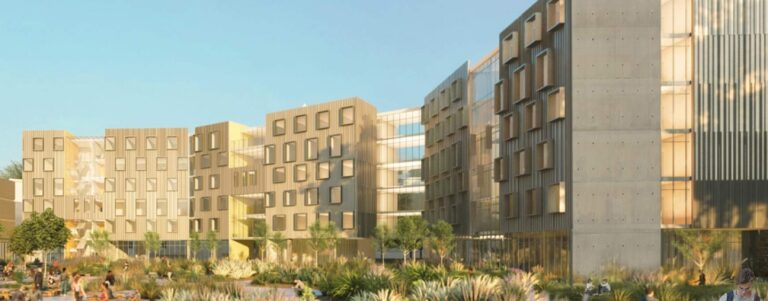
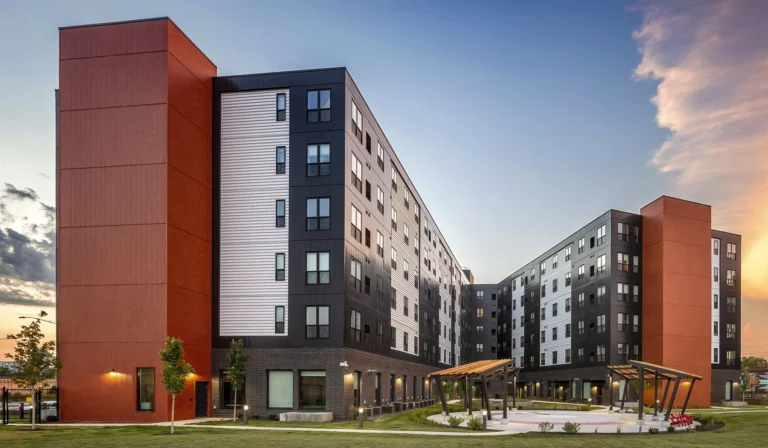
Multifamily housing forms the backbone of Fundrise’s property strategy. These include apartment buildings and townhome communities located in growing urban and suburban markets. Multifamily properties offer predictable rental income and steady occupancy rates, which makes them attractive to income-focused investors.
Many of these developments focus on emerging metropolitan areas with strong job growth and population,fl ow offering both cash flow and appreciation potential.
Industrial and Logistics Facilities
With e-commerce expansion, industrial properties such as warehouses and logistics centers have become crucial assets in Fundrise portfolios. These facilities typically house tenants in shipping, manufacturing, and retail fulfillment.
The appeal lies in their long-term leases and strong tenant demand, offering stability even during market downturns. Industrial real estate has proven resilient, making it a key sector for balanced portfolio exposure.
Single-Family Rental Communities
Fundrise has also expanded into single-family rental (SFR) communities, collections of detached homes built specifically for rent rather than sale. This sector bridges traditional multifamily and residential markets, capturing growing demand for suburban rental living.
Single-family rental properties offer long-term occupancy, lower maintenance turnover compared to apartments, and exposure to demographic shifts favoring suburban living.
Mixed-Use and Commercial Developments
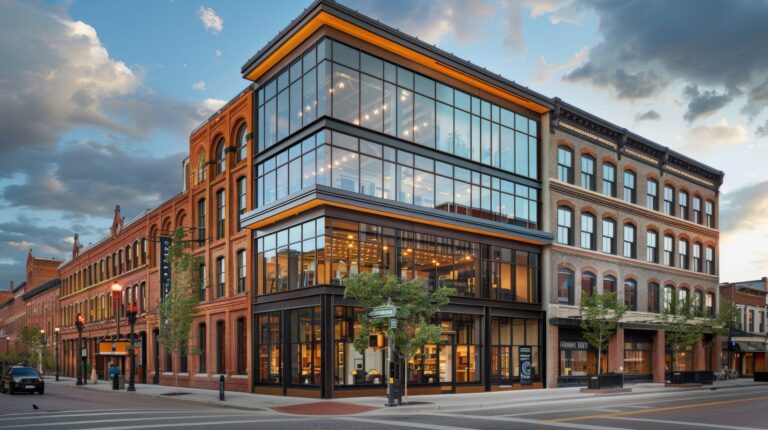
In addition to residential properties, Fundrise invests in mixed-use projects combining retail, office, and residential spaces. These developments are strategically located in growing neighborhoods to capture foot traffic, local spending, and urban regeneration trends.
Such projects are more complex but can yield higher long-term returns once stabilized, as they benefit from multiple revenue sources rents, leases, and potential sales.
Development Projects and Land Holdings
Fundrise’s eFunds often target ground-up construction or land development projects. These projects may take several years to co, complete but offer higher appreciation potential. They are managed by experienced development teams and typically located in markets showing long-term demand growth.
Real-World Examples of Fundrise Properties
To understand Fundrise properties more concretely, let’s examine real examples from different sectors within its portfolio.
Example 1: Multifamily Apartment Development in Texas
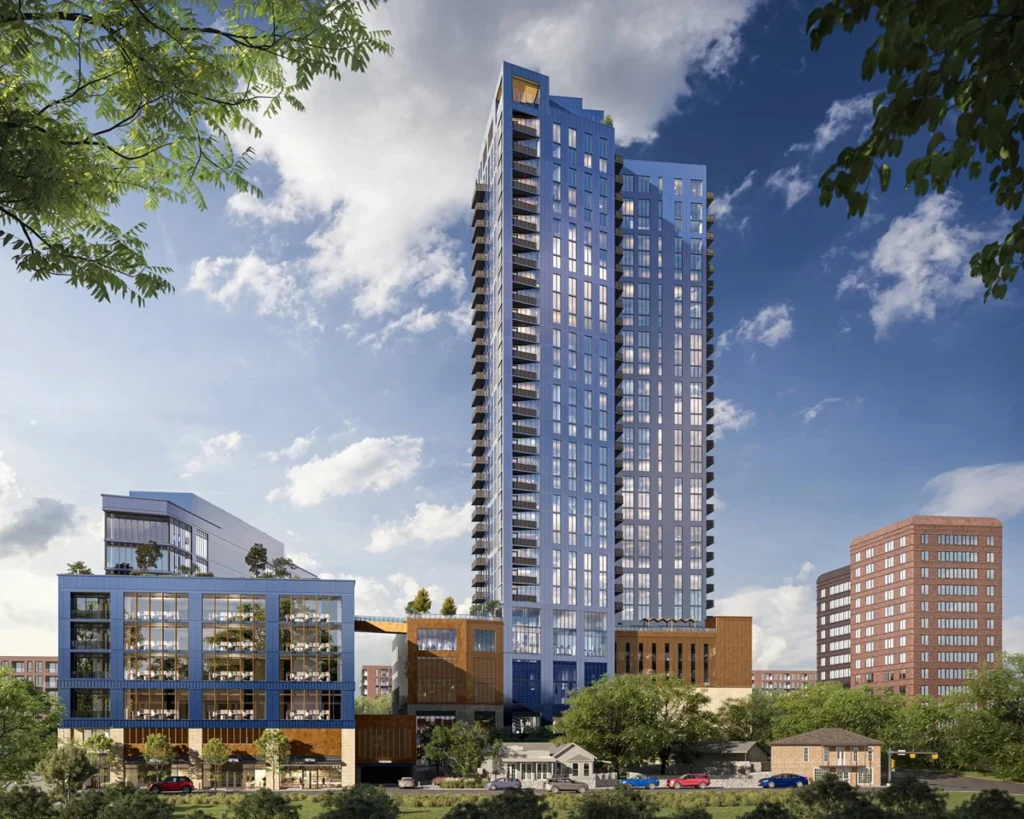
One Fundrise eREIT property includes a Class B multifamily complex located in a fast-growing Texas metro. The property was acquired below market value and underwent renovations to upgrade units, amenities, and common areas.
By improving operational efficiency and increasing rental rates, the project aimed to raise the property’s net operating income (NOI) and value. Investors benefited from quarterly cash distributions and potential appreciation at refinance or sale.
This example illustrates Fundrise’s focus on value-add multifamily opportunities where strategic upgrades create equity growth alongside consistent rental income.
Example 2: Industrial Distribution Center in Georgia

Another Fundrise property is a modern logistics center leased to a major e-commerce tenant. Located near a highway and port corridor, the property benefits from stable demand and a long-term lease agreement.
This asset contributes to the portfolio’s income-focused segment, providing predictable rent flow and strong tenant credit. Industrial properties like this help diversify Fundrise’s portfolios and buffer them during residential market fluctuations.
Example 3: Single-Family Rental Community in Florida

Fundrise also invests in single-family rental communities. One example is a purpose-built neighborhood in Florida, featuring hundreds of new homes designed specifically for long-term tenants.
With the growing “rentership” trend families preferring flexibility over home ownership, these communities provide reliable occupancy and rental income. Investors gain exposure to residential growth markets without directly managing properties.
Example 4: Urban Mixed-Use Redevelopment in Washington, D.C.
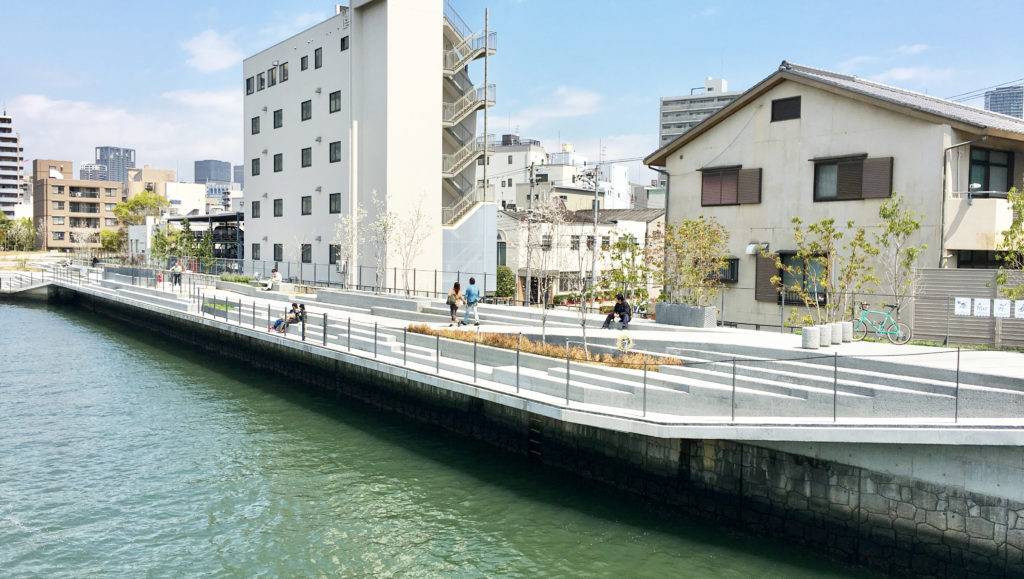
A Fundrise eFund example includes the redevelopment of an aging office building into a mixed-use property featuring retail, office, and residential units. Located in a revitalizing downtown district, this project targeted long-term appreciation through repositioning.
Though riskier than stabilized properties, such developments often deliver strong returns once completed and leased. This project showcases Fundrise’s growth-oriented strategy within urban real estate.
Benefits of Fundrise Properties and Technology Integration
The appeal of Fundrise properties goes beyond the assets;t hemselves it’s the technology platform that enhances accessibility, transparency, and efficiency.
Streamlined Investor Access and Diversification
Traditionally, private real estate required hundreds of thousands of dollars to participate. Fundrise’s platform lowers that barrier, allowing smaller investors to gain exposure to diversified portfolios of high-quality properties.
Through fractional ownership in eREITs and eFunds, investors enjoy diversification across property types, geographies, and strategies, all managed under a single digital platform.
Automation and Transparency
Fundrise’s tech infrastructure automates everything from investment onboarding to performance tracking. The investor dashboard provides real-time updates, quarterly reports, property insights, and performance, all accessible online.
This transparency helps investors understand where their money is allocated and how the underlying properties perform, improving trust and accountability.
Lower Overhead and Scalable Management
By using technology to streamline operations, Fundrise keeps administrative costs low, allowing more capital to be deployed into properties. Automated processes such as KYC verification, distributions, and reporting minimize manual inefficiencies, making the model scalable without heavy management fees.
Data-Driven Property Selection
Fundrise integrates market analytics, demographic data, and risk modeling to identify high-growth markets. These insights guide acquisitions and project development, decisions helping g maintain portfolio quality and stability.
Use Cases: Why Fundrise Properties Matter in Real Life
Use Case 1: Accessible Real Estate Investing for Individuals
Before platforms like Fundrise existed, individual investors had limited access to institutional-grade real estate. Fundrise resolves that problem, allowing participation in large-scale, professionally managed assets without direct ownership responsibilities.
It makes real estate investing more democratic, offering everyday investors access once reserved for institutional capital.
Use Case 2: Passive Income Through Diversification
Investors seeking passive income can achieve consistent returns from Fundrise’s income-focu, sed properties like multifamily on industrial assets without managing tenants or maintenance.
The combination of multiple income sources smooths volatility, offering stability similar to bonds but with better long-term growth potential.
Use Case 3: Inflation Hedge via Real Assets
Real estate has historically acted as an inflation hedge. Fundrise properties, especially those tied to rent escalations or appappreciatinhelp protect purchasing power over time. As rents and property values increase, investor returns can offset inflationary pressures.
Use Case 4: Portfolio Balance for Risk-Averse Investors
For conservative investors, exposure to income-producing properties offers diversification beyond equities and bonds. Real estate’s low correlation to stock markets makes Fundrise properties an effective portfolio stabilizer.
Use Case 5: Capital Growth for Long-Term Investors
Growth-oriented investors can benefit from eFunds or development projects targeting appreciation. Over multi-year horizons, these properties may deliver substantial equity growth, complementing income-focused assets in a blended strategy.
Risks and Considerations
While Fundrise properties provide accessible real estate exposure, they also come with inherent risks:
-
Illiquidity: Shares in eREITs and eFunds cannot be easily sold; early redemptions may be limited.
-
Market Risk: Economic downturns or regional slowdowns can affect occupancy, rent growth, and property values.
-
Sponsor and Management Risk: Performance depends on Fundrise’s ability to manage properties, control costs, and execute development plans.
-
Fee Structure: Though transparent, management and advisory fees can affect net returns.
-
Regulatory and Interest Rate Risks: Rising rates or policy shifts can influence real estate pricing and financing costs.
Understanding these risks helps investors align expectations with long-term objectives.
FAQ
Q1. What types of properties does Fundrise invest in?
Fundrise invests across multifamily, industrial, single-family rental, mixed-use, and development properties. Each property type contributes to a diversified strategy balancing income and growth potential.
Q2. How do Fundrise investors earn returns from these properties?
Investors earn through rental income distributions and appreciation from property value increases over time. Returns depend on the specific eREIT or eFund’s sstrategyincome or income-oriented
Q3. Can I choose specific Fundrise properties to invest in?
Typically, investors do not select individual properties directly. Instead, they invest in portfolios managed by Fundrise, which allocates capital across multiple assets to maintain diversification.