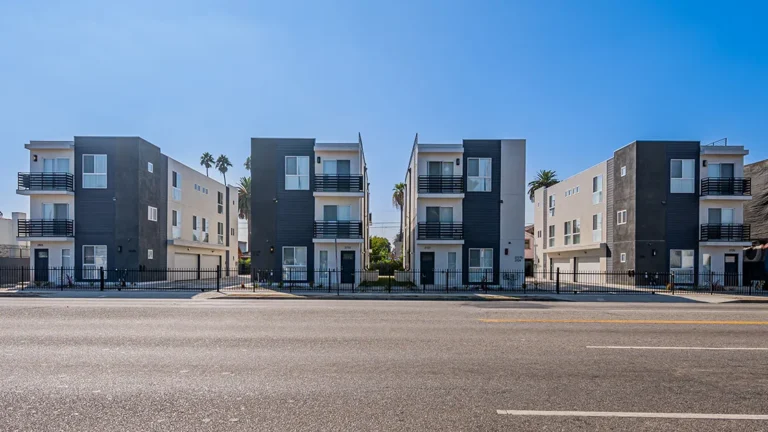
DST Commercial Real Estate Passive CRE Investment Guide
In the evolving world of real estate investing, DST commercial real estate has emerged as a strategic way for investors to access high-quality commercial properties while enjoying passive income and tax advantages. A Delaware Statutory Trust (DST) structure enables multiple investors to own fractional interests in large-scale commercial assets ranging from multifamily apartments to industrial warehouses without the need for active management.
This comprehensive guide breaks down how DST commercial real estate works, its advantages, technology integration, real-world examples, and why it has become one of the most preferred vehicles for 1031 exchange investors seeking stability and income diversification.
Understanding DST Commercial Real Estate
A Delaware Statutory Trust (DST) is a legal entity that allows investors to co-own institutional-grade commercial properties. It’s governed by Delaware law, but investors from any state can participate. The DST sponsor acquires and manages the property, while investors purchase beneficial interests in the trust.
DSTs are particularly popular for 1031 exchange investors who sell a property and wish to defer capital gains tax by reinvesting in “like-kind” assets. Instead of buying a whole new property, they can buy a fractional interest in a DST that meets IRS requirements.
Key advantages include:
-
Passive ownership: No property management responsibilities.
-
Access to institutional assets: Investors can participate in multi-million-dollar commercial deals.
-
Tax deferral: Eligible for 1031 exchange benefits.
-
Diversification: Opportunity to invest across different asset types and locations.
However, DSTs are not liquid investments and require long-term commitment, typically seven to ten years, until the sponsor sells the underlying property.
The Structure Behind DST Commercial Properties
DST commercial real estate offerings are structured to comply with both IRS guidelines and Securities and Exchange Commission (SEC) regulations. Once established, the DST legally owns the property, while each investor owns a fractional interest.
Sponsors play a vital role. They handle property acquisition, financing, leasing, management, and disposition. Investors are passive participants; they receive monthly or quarterly distributions, but cannot make operational decisions.
A DST typically holds:
-
A single high-value commercial asset, such as a logistics center, office complex, or multifamily development.
-
Or a portfolio of similar properties, grouped to enhance diversification and reduce tenant risk.
Each offering comes with a Private Placement Memorandum (PPM) outlining terms, cash flow projections, tenant details, risks, and exit strategies. Investors rely heavily on the sponsor’s credibility and track record, since all decision-making power lies with them.
Types of Commercial Properties in DST Investments
DSTs span several commercial real estate sectors, each offering unique risk-return profiles.
Multifamily Apartments

These assets provide consistent rental income and historically stable occupancy rates. DSTs with multifamily properties often target markets with population growth and limited housing supply. Sponsors may focus on Class A or B properties, balancing tenant demand and maintenance costs.
Industrial and Logistics Warehouses

As e-commerce expands, industrial DSTs have gained strong investor demand. Properties leased to logistics companies or e-commerce operators tend to offer long-term contracts and predictable cash flow. These assets benefit from macro trends like online shopping and supply chain digitization.
Net Lease Retail Properties

Single-tenant or multi-tenant retail DSTs leased to national brands such as pharmacies, grocery stores, or convenience retailers provide predictable income streams under long-term NNN (triple net) leases. These minimize landlord expenses and are ideal for investors seeking income stability.
Office and Medical Buildings

Office DSTs cater to credit tenants with multi-year leases, often in suburban or urban markets. Medical offices are particularly attractive due to the growing healthcare demand. These DSTs provide reliable income with moderate risk tied to tenant creditworthiness and lease renewals.
Self-Storage and Specialty Assets
Emerging DST categories include self-storage and data centers, appealing for their resilience and low correlation with economic cycles. These assets typically generate steady revenue regardless of broader market volatility.
Technology’s Role in DST Commercial Real Estate
Technology has transformed how DSTs operate, manage data, and deliver transparency to investors.
Smart Property Management
DST sponsors use integrated management systems to oversee leasing, maintenance, and tenant relations. Automated workflows streamline operations and enhance reporting accuracy.
IoT and Smart Building Infrastructure
IoT sensors and smart systems monitor building performance, tracking energy use, HVAC efficiency, and maintenance schedules. These tools reduce downtime, control operational costs, and prolong asset life.
Investor Dashboards and Data Access
Modern DST sponsors provide digital dashboards where investors can review financial reports, distribution schedules, and occupancy metrics. These online platforms improve communication, transparency, and trust.
Predictive Analytics and Market Insights
Data analytics tools help sponsors forecast market trends, identify high-performing regions, and optimize leasing strategies. By leveraging predictive models, sponsors can manage portfolios more effectively and reduce risk exposure.
These technological integrations elevate DST commercial real estate from traditional ownership to a data-driven, efficient investment vehicle.
Real-World Examples of DST Commercial Real Estate
Let’s explore real-world examples that illustrate how DST commercial investments function and why they appeal to investors seeking passive income and stability.
Insert image of the product form.t
(Illustration showing an apartment complex, logistics warehouse, and healthcare office.)
1. Urban Multifamily DST in Austin, Texas
A DST sponsor acquires a 300-unit Class A apartment complex in Austin’s tech corridor. The property features high occupancy rates due to population inflows and employment growth. Investors benefit from consistent rental income, while the sponsor manages tenant turnover and property maintenance. Over the holding period, the property appreciates as rent growth outpaces inflation.
2. Industrial Distribution DST in Chicago Suburbs
An industrial DST includes a 600,000-square-foot distribution facility leased to a national logistics company. The lease term extends for 12 years with built-in rent escalations. Investors receive predictable quarterly distributions. The long-term lease structure minimizes volatility, while proximity to major highways ensures tenant retention.
3. Net Lease Retail DST Anchored by Grocery Chain
This DST owns a single-tenant retail building leased to a top-tier grocery store for 20 years. The NNN lease transfers all property expenses to the tenant, reducing operational risk. Investors enjoy a reliable monthly income without exposure to maintenance or tax liabilities.
4. Medical Office DST near Major Hospital
A medical office DST includes clinics leased to healthcare providers with 10-year leases. Rising healthcare demand ensures strong occupancy. Investors gain stable income from a recession-resistant sector while the sponsor manages facility upkeep.
5. Self-Storage DST Portfolio
This DST owns multiple self-storage facilities across three states. The business model offers flexibility and resilience during economic downturns, as storage demand tends to remain steady. Investors gain diversification and consistent cash flow, even in slower markets.
Each example demonstrates how DST commercial real estate combines institutional asset quality, passive income, and risk-adjusted returns for investors seeking hands-off ownership.
Benefits of Investing in DST Commercial Real Estate
DST investments provide several strategic advantages, especially for investors transitioning from active property ownership.
1. 1031 Exchange Tax Deferral
DSTs qualify as like-kind replacement properties, allowing investors to defer capital gains taxes and preserve more capital for reinvestment.
2. Passive Income Stream
All property management and operations are handled by the sponsor. Investors receive monthly or quarterly income distributions without active involvement.
3. Diversification Opportunities
Investors can allocate across multiple DSTs in different markets or sectors, reducing risk concentration and improving portfolio stability.
4. Access to Institutional-Grade Assets
DSTs offer fractional ownership in premium commercial properties that individual investors typically cannot afford independently.
5. Predictable Cash Flow and Transparency
Long-term leases, creditworthy tenants, and stable rent escalations result in reliable income streams. Investor portals enhance transparency with real-time financial updates.
6. Estate Planning Efficiency
DST interests can be passed to heirs, potentially benefiting from a step-up in cost basis, helping preserve family wealth.
Use Cases: How DST Commercial Real Estate Solves Investor Challenges
DSTs address several common problems faced by property owners and 1031 exchange investors.
1. Reducing Landlord Fatigue
Managing tenants, maintenance, and repairs can be time-consuming. DST investments allow owners to exit the hassle of direct management while retaining real estate income.
2. Solving 1031 Exchange Timing Pressure
Finding and closing on replacement properties within IRS deadlines can be difficult. DSTs, being pre-structured and ready for purchase, help investors meet deadlines efficiently.
3. Diversifying a Concentrated Portfolio
Owners heavily exposed to one market can use DSTs to spread risk geographically or across asset classes.
4. Generating Predictable Retirement Income
Retirees seeking a stable cash flow with minimal management involvement can benefit from DST investments’ steady distributions.
5. Transitioning from Active to Passive Ownership
Investors who have built wealth through direct real estate can use DSTs to maintain income and tax benefits without operational burdens.
Risks and Considerations
While DST commercial real estate offers strong benefits, it also carries risks:
-
Illiquidity: DST interests are not easily sold before the sponsor exits.
-
Sponsor Dependence: Investor success relies on the sponsor’s competence and management decisions.
-
Market and Tenant Risk: Economic downturns or tenant defaults can impact income.
-
Regulatory and Tax Risks: Changes in 1031 exchange laws or tax treatment may affect returns.
-
Fees and Expenses: Upfront and ongoing fees can reduce net yields.
Investors should carefully evaluate offering documents, sponsor experience, and risk disclosures before committing capital.
Conclusion
DST commercial real estate offers a bridge between traditional property ownership and institutional-grade investing. With its passive structure, tax-deferral potential, and diversification benefits, it provides a powerful avenue for investors seeking income and stability without the headaches of direct management.
For those looking to transition from active ownership, complete a 1031 exchange, or diversify their holdings, DST commercial real estate stands out as one of the most efficient and resilient investment solutions in today’s market.
FAQ
1. What types of properties are used in DST commercial real estate?
DSTs typically hold multifamily apartments, net lease retail, industrial logistics, self-storage, or healthcare offices, each chosen for cash flow and tenant stability.
2. How long do DST investments usually last?
Most DSTs have a holding period of seven to ten years, after which the property is sold and proceeds are distributed to investors.
3. Are DST investments safe?
While DSTs are designed for stability, they still carry market, tenant, and liquidity risks. Choosing reputable sponsors and diversified assets reduces overall exposure.