Understanding CrowdStreet Returns and How They Work
When it comes to digital real estate investing, one of the most searched financial terms online is CrowdStreet returns. But what exactly does it mean, and how can investors interpret it to make better financial decisions?
This guide breaks down everything you need to know about CrowdStreet returns – including how they’re calculated, the factors that influence them, real-world case examples, and how technology has made it easier to access this form of investment. By the end, you’ll fully understand what drives performance in CrowdStreet projects and how to analyze potential returns wisely.
What Are CrowdStreet Returns?

CrowdStreet returns refer to the total financial gains investors receive from real estate projects listed on the CrowdStreet platform. These gains can come from several sources: rental income, property appreciation, or profit sharing when the asset is sold or refinanced.
In simple terms, CrowdStreet returns represent the combination of income and capital gains you earn as your investment matures over time. The amount and frequency depend on the structure of the deal, market conditions, and the sponsor’s management quality.
Main Components of CrowdStreet Returns
To understand how your investment may perform, it’s important to know the key financial metrics used to calculate returns:
Internal Rate of Return (IRR)
IRR represents the annualized rate of return an investor earns, factoring in all distributions and the final sale proceeds. The higher the IRR, the faster your money grows.
Equity Multiple
This shows how much total money you get back compared to your initial investment. For example, if you invest $100,000 and receive $180,000 in total, your equity multiple is 1.8x.
Cash-on-Cash Return
This measures the annual cash income relative to the invested capital, useful for assessing yearly performance before the property is sold.
Preferred Return (Pref)
Some projects offer a minimum guaranteed return to investors before sponsors share profits. This “preferred return” helps protect investor interests.
Capital Stack
Your position in the capital stack determines your risk and reward. Debt investors get paid first with lower returns, while equity investors get higher returns but bear more risk.
Real-World Examples of CrowdStreet Returns
1. Office Renovation Project (Value-Add Strategy)

A sponsor buys an outdated office building, renovates it, leases it to new tenants, and sells it later. Suppose the hold period is 5 years, the target IRR is 14%, and the equity multiple is 2.0x.
During those five years, investors receive quarterly rental income. Once the building sells, they receive additional profits from the sale. If market conditions are favorable, the returns can exceed projections. But if the market slows down, returns may fall short.
This example shows that CrowdStreet returns rely heavily on both property performance and market cycles.
2. Preferred Equity in a Multifamily Apartment Project
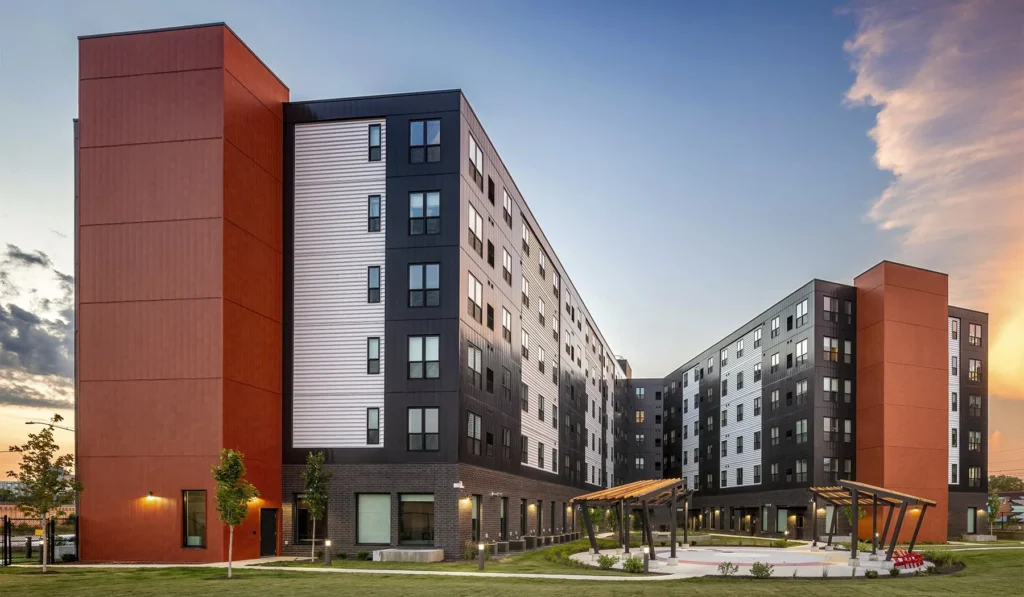
In this scenario, investors participate as preferred equity holders, meaning they get paid before common equity investors.
For instance, a 10% preferred return might be paid annually for 5 years, offering a stable cash flow. However, because preferred equity investors don’t share much in the property’s appreciation, their upside is limited.
This investment type appeals to investors seeking predictable income rather than aggressive growth.
3. Mezzanine Debt in a Commercial Property Deal
Here, investors act as mezzanine lenders, earning interest income instead of a profit share. For example, an annual return of 9–12% is paid from rental revenue or refinancing.
Since debt positions rank higher in the capital stack, this approach provides greater protection than equity. However, there’s little opportunity for large capital gains since returns are fixed.
This type of investment is suitable for conservative investors looking for steady, lower-risk returns.
Factors That Influence CrowdStreet Returns
1. Sponsor Quality
The sponsor’s experience and execution ability are critical. Skilled sponsors deliver better leasing, cost management, and exit timing, which can boost returns.
2. Market Conditions
Real estate is cyclical. Interest rates, economic growth, and local market demand all affect returns. A booming market can amplify profits, while a downturn can reduce them.
3. Leverage and Financing Structure
Using leverage (borrowed capital) can magnify both gains and losses. Over-leveraged projects are riskier, especially in volatile markets.
4. Property Performance
Occupancy rates, rent growth, and operational efficiency directly impact cash flow and distributions. Poorly managed properties may underperform even in strong markets.
5. Exit Strategy
Returns depend greatly on the timing and method of exit, whether the sponsor sells, refinances, or holds the asset longer for appreciation.
Benefits of Technology in Managing CrowdStreet Returns
Simplified Access
Technology enables investors to discover, review, and invest in commercial real estate opportunities from anywhere, without intermediaries.
Data Transparency
Digital dashboards and analytics tools provide detailed insights into deal performance, financials, and sponsor updates, giving investors better visibility.
Automated Reporting
All distributions, tax documents, and performance reports are automatically processed through the platform, saving time and reducing manual errors.
Portfolio Diversification
With online access, investors can spread capital across different geographies and asset classes, reducing the risk of concentration in one project.
Practical Use Cases for CrowdStreet Returns
Capital Growth Seekers
Investors aiming for high capital appreciation can participate in development or value-add projects. Although riskier, these deals offer larger upside potential.
Income-Oriented Investors
Those prioritizing steady cash flow can choose preferred equity or debt investments, which deliver consistent returns through rental income.
Portfolio Diversifiers
CrowdStreet returns provide exposure to real estate, helping balance portfolios that are heavily weighted in stocks or bonds.
Risks to Consider
No investment is risk-free, and real estate crowdfunding carries specific risks such as:
-
Project delays or underperformance
-
Sponsor mismanagement
-
Market downturns or rising interest rates
-
Illiquidity (capital tied up for years)
-
Fees and performance-promoting that reduce net returns
A disciplined investor mitigates these risks by diversifying and conducting proper due diligence before committing capital.
How to Evaluate CrowdStreet Returns Wisely
-
Focus on Net IRR and Equity Multiple – Check net results after all fees and promote structures.
-
Analyze the Sponsor – Review their track record, experience, and communication transparency.
-
Review Conservative Scenarios – Avoid deals with overly optimistic assumptions.
-
Diversify Across Multiple Deals – Spread risk among sponsors, markets, and property types.
-
Monitor Performance Regularly – Track distributions and updates through your dashboard.
FAQ
1. Are CrowdStreet Returns Guaranteed?
No. All returns are projections and depend on the property’s actual performance. There is always the potential for gain or loss.
2. Can I Exit My Investment Early?
No, most CrowdStreet deals are illiquid. Investors must hold until the property is sold or refinanced.
3. How Long Does It Take to Receive Returns?
Most investments have a holding period of 3–7 years. Some projects pay quarterly distributions, while others pay only after the exit event.
Conclusion
CrowdStreet returns offer a compelling way for accredited investors to gain exposure to commercial real estate, combining income and long-term appreciation. However, success depends on careful project selection, understanding risk factors, and maintaining realistic expectations.
By analyzing key metrics, sponsor performance, and market conditions, investors can use CrowdStreet as a gateway to smarter, data-driven real estate investing.