Top Platforms Like Fundrise Alternatives & Smart Insights
When investors search for Fundrise-like platforms, they usually want comparable platforms or models that let them invest in real estate via crowdfunding or digital marketplaces. Fundrise popularized access, but many alternatives now compete with varied structures, risk profiles, and technology features.
This article digs deep into:
-
What “platforms like Fundrise” encompass
-
Types of investment models and structures
-
Real-world examples of platforms or offerings
-
The benefits technology brings to these models
-
Use cases: what problems they solve
-
Risks, comparative evaluation criteria, and best practices
-
FAQs to clarify key concerns
By the end, you’ll have a detailed map of credible alternatives, how they function, and what might fit your style.
What We Mean by Platforms Like Fundrise
When someone says platforms like Fundrise, they’re referring to digital real estate investment platforms that allow aggregated or crowdfunded access to real property, often with smaller capital and via online interfaces. Key features often include:
-
Pooling investor capital to acquire or finance real estate deals
-
Providing investor dashboards for performance, reporting, and transparency
-
Structuring investments via equity, debt, preferred equity, or fund formats
-
Imposing limited liquidity (often 3–7 year holds)
-
Vetting sponsors or projects before listing
These platforms differ from traditional real estate investment in that they reduce the entry barrier, shift administrative burdens to sponsors or platform operators, and emphasize transparency and ease of access.
Because Fundrise allows both accredited and non-accredited participation in its funds, many alternatives either mimic that broad access or specialize in more sophisticated deals for accredited investors.
When comparing platforms like Fundrise, focus on:
-
Investor eligibility & minimums
-
Deal types offered (equity, debt, fund)
-
Fee structure and transparency
-
Liquidity or redemption policies
-
Technology, reporting, and user interface
-
Track record, sponsor quality, and deal performance history
These factors help distinguish safe, performant platforms from ones that might underdeliver or misalign incentives.
Types & Structures Among Alternatives to Fundrise
To understand how these platforms operate, here’s a breakdown of common structural models:
Equity & Syndication Models
Some platforms list single-asset equity deals, letting investors co-own a property. Returns typically combine cash flow distributions and appreciation upon sale. This model offers transparency but higher concentration risk when few assets are held.
Fund / Pooled Investment Models
Several alternatives use pooled funds, analogous to Fundrise’s eREIT structure. A fund holds multiple properties, spreading risk across assets. Investors contribute capital to that fund rather than individual deals. This smoother approach offers diversification but less direct control over individual deals.
Debt, Preferred Equity & Mezzanine Instruments
Certain platforms allow investors to act as lenders or preferred equity holders in real estate projects. These instruments often deliver fixed (or semi-fixed) income and carry lower upside but also lower downside compared to equity deals.
Hybrid & Thematic Vehicles
Some newer platforms offer hybrid models combining real estate with other asset classes or specialize in niche themes (e.g., opportunity zone funds, property tech, sustainable real estate). These can provide differentiated exposure beyond raw real estate.
Secondary / Liquidity Mechanisms
Because real estate is inherently illiquid, a few platforms try to layer in secondary markets or limited redemption windows, letting investors partially extract capital early. However, such features are rare and usually heavily constrained.
The choice among these structures depends on your goals: whether you seek growth, stable income, diversification, or thematic exposure.
Real-World Platforms & Alternative Offerings
Here are some prominent platforms and offerings that function as real alternatives to Fundrise. Each has its own model and insight to learn from.
Example 1: RealtyMogul

RealtyMogul operates both private deal listings and fund-type offerings accessible to accredited and, in some cases, non-accredited investors. They offer equity deals, debt instruments, and REIT-style funds. Investors can view underwriting, sponsor history, and real performance metrics. Because RealtyMogul bridges between single-deal and fund models, it appeals to those transitioning beyond simple fund exposure.
Example 2: CrowdStreet
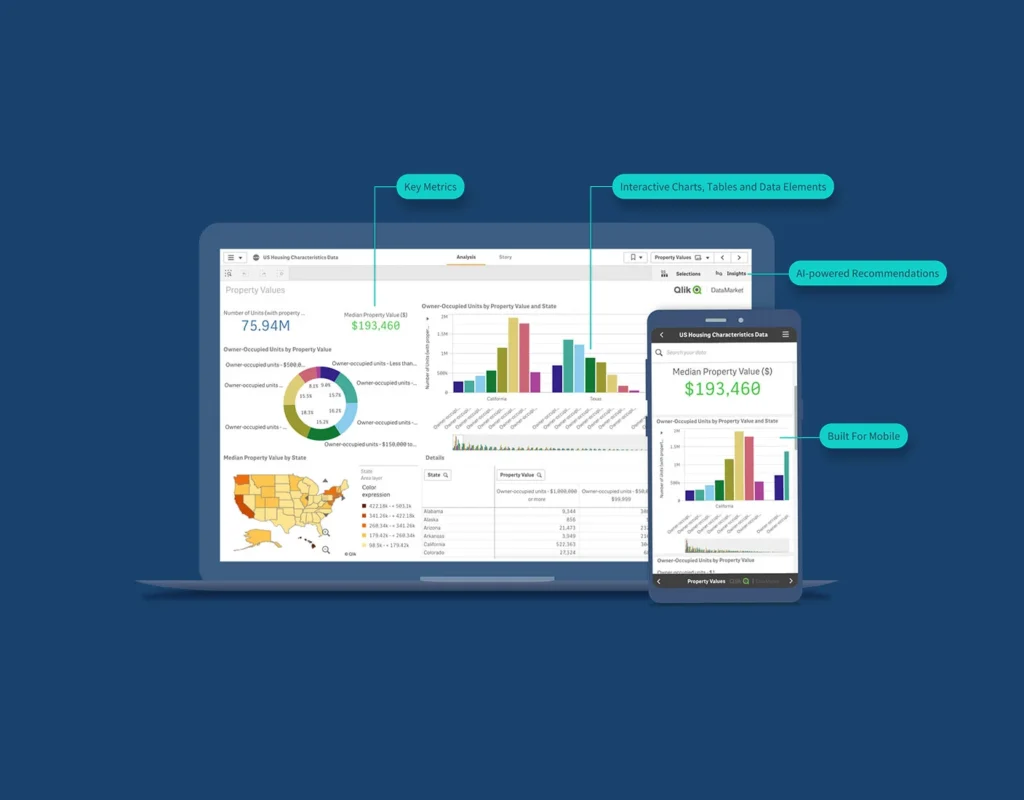
CrowdStreet targets accredited investors and focuses on commercial real estate deals. Unlike broader-access platforms, CrowdStreet offers individual deal selection (e.g,. industrial warehouses, mixed-use projects) with detailed financial models, sensitivity tests, and sponsor disclosures. For serious investors, it offers more customization and higher upside potential compared to more generic platforms.
Example 3: Groundfloor

Groundfloor emphasizes real estate loans/debt rather than equity. Investors may fund short-term loans (e.g., fix-and-flip projects) and receive interest income once the loan is repaid. This model suits those less interested in speculative upside and more focused on consistent yield, albeit with credit risk. It’s a contrast: less upside but a redefined return structure.
Example 4: Yieldstreet / DiversyFund

Yieldstreet includes real estate among a set of alternative assets (art, marine, credit, etc.). It allows diversified alternative exposure. DiversyFund, meanwhile, offers pooled real estate growth or income funds with relatively low minimums. These platforms show how real estate can integrate into broader alternative investing rather than stand alone. They appeal to those seeking real estate exposure within diversified portfolios.
Each example above illustrates a somewhat different approach: direct equity, debt, fund pooling, or diversification spread. Understanding their mechanisms gives you practical insight into the spectrum of “like Fundrise” options.
Benefits of Technology in Real Estate Crowdfunding Platforms
Technology is the engine behind these platforms. Without it, scaling private real estate investments to retail or semi-retail investors would be impractical. The benefits include:
Streamlined Onboarding & Compliance
Platforms automate investor accreditation, KYC/AML checks, subscription documents, and escrow handling. That reduces friction, speeds deployment, and lowers human error.
Deal Discovery & Comparison Tools
Investors can filter deals by location, risk, returns, structure, and period. Side-by-side comparisons, sensitivity models, scenario testing, and visual dashboards make evaluating alternatives easier.
Transparency & Reporting
Real-time dashboards show capital calls, distributions, project performance, expense breakdowns, and sponsor communications. That level of transparency helps investors monitor and assess progress without relying solely on sponsor updates.
Scalability & Cost Efficiency
Because many back-office tasks are automated, platforms can host dozens of deals, manage many investors, and maintain consistent service without proportional cost increase. This scalability is key to keeping fees reasonable.
Alerts, Analytics & Insights
Some platforms incorporate analytics or alert systems: notifying when performance deviates, when new deals meeting criteria arise, or when liquidity windows open. Users gain proactive visibility rather than reactive checking.
These technological enhancements convert what was once a discreet, relationship-driven real estate transaction into a more democratic, accessible, and data-rich investment environment.
Use Cases: Problems Addressed by Platforms Like Fundrise
Understanding why someone would prefer an alternative to Fundrise helps clarify when each model makes sense. Here are practical use cases:
Use Case 1: Access to Real Estate Without Huge Capital or Landlord Duties
Many want exposure to real estate but lack the capital, local presence, or appetite for being landlords. Platforms like Fundrise and its alternatives let them pool capital, passively receive returns, and avoid property management tasks.
Use Case 2: Diversification Across Projects & Regions
Instead of concentrating capital in one property or city, investors can spread across different deals, markets, and asset classes. This diversification helps mitigate local market risk or property-specific issues.
Use Case 3: Income vs Growth Flexibility
Depending on goals, some investors may prefer stable income. Platforms offering debt or preferred equity provide yield-centric exposure. Others aiming for capital appreciation might favor equity deals. Alternatives like Groundfloor cater to yield seekers, while CrowdStreet appeals to growth-focused investors.
Use Case 4: Efficient Scaling of Alternative Allocations
For investors who want to scale into alternatives without orchestrating each deal manually, these platforms centralize discovery, capital flows, reporting, and tracking. This efficiency reduces overhead and makes allocation decisions cleaner.
Use Case 5: Tactical Exposure to Niche or Emerging Real Estate Trends
If you want targeted exposure to sectors like logistic parks, data centers, opportunity zones, or sustainable real estate, platforms let you pick deals aligned with macro trends. You don’t need local market expertise; sponsors and underlying models provide that.
These use cases demonstrate how platforms like Fundrise fill gaps: accessibility, operational simplicity, diversification, tactical exposure, and scaling convenience.
Risks, Comparative Criteria & Best Practices
While enticing, alternatives to Fundrise have material risks and distinctions that must be understood carefully.
Illiquidity & Long Holding Periods
Most investments lock capital for years. Early withdrawal, if allowed, often comes with penalties.
Sponsor & Execution Risk
Even with vetting, projects may underperform due to cost overruns, leasing challenges, market downturns, or unexpected events.
Market & Macro Risk
Interest rate shifts, economic recessions, vacancy spikes, and falling property values can undermine returns.
Fee Layers & Promotion Waterfalls
Some platforms or sponsors charge multiple fees (acquisition fees, asset management, disposition, promotion). These reduce net investor returns. Transparency into these structures is essential.
Deal Concentration Risk
Putting too much capital into a few deals increases vulnerability. Diversifying across platforms and deal types reduces that risk.
Assumption Sensitivity
Underwriting assumptions (rent growth, exit cap rates, occupancy) may be optimistic. Always stress-test downside scenarios.
Platform & Operational Risk
The platform itself might suffer technical issues, liquidity constraints, regulatory changes, or fail to support its commitments.
Selection & Survivorship Bias
Platforms tend to highlight successful or high-performing deals. Underperforming or failed deals may be less visible. Be skeptical of marketing-only stories.
When evaluating alternatives, compare:
-
Minimum investment & eligibility
-
Fee transparency and net return projections
-
Liquidity/redemption policy
-
Track record & sponsor quality
-
Technology and reporting features
-
Structure (equity, debt, fund, hybrid)
-
Historical performance (where available)
Best practices:
-
Allocate only what you can lock up for long periods
-
Diversify across deals, platforms, structures
-
Review documentation thoroughly
-
Monitor ongoing performance vs. projections
-
Exit only when structural assumptions or sponsor metrics deviate significantly
-
Use tech tools (alerts, dashboards, sensitivity simulations) to stay informed
Used wisely, these platforms can expand real estate exposure. Used naively, they expose you to opaque risks and mispricing.
FAQ
Q1. Are alternatives to Fundrise safer?
Not necessarily. Safety depends on sponsor quality, structure, fees, and your risk tolerance. Alternatives may offer stronger upside or focus, but also might carry more concentrated risk. Always evaluate fundamentals and diversification.
Q2. Can non-accredited investors participate in platforms like Fundrise?
Some platforms allow non-accredited investors (especially in pooled fund vehicles or REIT-style structures). Others offer deals restricted to accredited participants. Always check eligibility per deal and platform.
Q3. How does liquidity work in these platforms?
Most real estate crowdfunding investments are illiquid. Some platforms offer quarterly redemption windows or limited secondary trading, but restrictions or penalties often apply. Don’t expect an immediate exit before project maturity.