
Exploring the CrowdStreet Marketplace How It Works & Benefits
The CrowdStreet Marketplace is the digital hub where accredited investors discover, evaluate, and invest in commercial real estate opportunities. It acts as a centralized platform that connects sponsors (developers or operators) with investor capital in a structured, regulated environment. This article provides a comprehensive, informative guide to the CrowdStreet Marketplace: its structure, how it operates, its advantages, challenges, and real-life use cases.
We will dig deep into:
-
The core components and structure of the CrowdStreet Marketplace
-
How deals are sourced, vetted, and presented
-
Real-world example use cases
-
Benefits of applying technology to such a marketplace
-
Practical use cases: problems solved and investor perspectives
-
Risks, best practices, and evaluation criteria
-
Three FAQs with insightful answers
By the end, you’ll fully understand how the CrowdStreet Marketplace functions and whether it can fit into a sophisticated real estate investment strategy.
What the CrowdStreet Marketplace Is and Its Core Structure
The CrowdStreet Marketplace is a curated online real estate investment platform that lists private commercial real estate deals for accredited investors. Rather than acting simply as a listing board, this marketplace includes built-in vetting, legal compliance, capital raising, investor management, and transparency features.
At its core, the marketplace connects sponsors who propose real estate projects needing equity capital with investors who seek exposure to selected commercial properties. The platform ensures that each listing meets certain quality criteria before it appears publicly.
Within the structure of the marketplace, you will find:
-
Individual property deals: single-asset investments where investors can pick specific projects.
-
Fund or pooled vehicles: diversified portfolios of properties under a shared fund structure.
-
Debt or preferred equity deals: not all listings are equity. Some offer structured returns with loan-like terms or preferred returns.
-
Capital stack and risk tiers: Each deal typically shows its capital stack (debt, preferred equity, common equity) so investors understand priority in cash flows and risk.
The marketplace also integrates legal, escrow, subscription, and reporting systems so that once an investor commits, the process from commitment to funding to management is seamless.
Because CrowdStreet is focused on commercial real estate (now across many property types: multifamily, industrial, office, retail, mixed-use), its marketplace is built for complexity and institutional quality rather than simple residential flipping deals.
How Deals Are Sourced, Vetted, and Presented
One of the key strengths of the CrowdStreet Marketplace is that it does not simply accept any listing. Instead, it follows a rigorous process to maintain quality and reduce risk for investors.
First, deal sourcing: the CrowdStreet team seeks sponsors with credible track records, strong underwriting, and properties in target markets (often in “18-hour cities” or secondary markets) where valuations are more favorable and growth potential is solid.
Once a sponsor submits a proposed offering, the marketplace team undertakes a vetting process. This includes background checks on the sponsor, evaluation of financial projections, market studies, property condition reports, and stress testing assumptions. Only a small fraction of proposals pass this screening and reach the investor marketplace.
After vetting, the offering is presented to investors with full disclosure: business plans, financial models, risks, projected returns, structure of cash flow, capital stack, timelines, and exit strategies. Investors can review all materials via a dashboard, ask questions or attend live webinars with sponsors, and compare deals side by side using built-in filters.
Once investor interest reaches a minimum threshold and subscriptions are closed, escrow is released, and capital is deployed. Throughout the life of the deal, the marketplace provides updates, financials, distributions, and performance tracking.
This end-to-end pipeline (source → vet → present → raise → manage → exit) is what makes the CrowdStreet Marketplace more than a passive listing site; it becomes an active infrastructure for private real estate investing.
Example Use Cases of the CrowdStreet Marketplace in Action
Here are three illustrative examples of how the marketplace is used in real estate investing:
Example 1: Industrial Warehouse Project in a Secondary Metro

A sponsor proposes converting an underutilized industrial park into high-tech logistics warehouses. They submit the deal to the CrowdStreet Marketplace. After passing vetting, the deal is listed as an equity investment with target IRR, projected cash distributions, and an exit timeline. Investors review the opportunity, examine market demand in logistics, and commit capital. During the holding period, the sponsor leases out space, collects rentals, and eventually sells or refinances. Investors receive distributions periodically and capital on exit.
This example is relevant because industrial and logistics projects are currently in high demand, and the marketplace allows investors to participate in that sector without needing local presence or direct operational management.
Example 2: Mixed-Use Redevelopment of Urban Parcel

A developer buys an obsolete retail block in an urban area and plans to convert it into a mixed-use building with ground-floor retail and upper-level residential units. The sponsor uses the marketplace to raise equity. The listing includes detailed pro forma rental rates, lease absorption assumptions, construction timelines, and risk mitigations.
Investors interested in both rental income and property appreciation evaluate the risk-return structure. The project faces construction risk and market leasing risk, but if successful, the upside is significant. This example shows how the CrowdStreet Marketplace can host complex redevelopment projects that require deeper analysis.
Example 3: Real Estate Fund Spanning Multiple Markets

Not all marketplace investments are single-asset deals. Some sponsors list a fund vehicle that pools capital across multiple commercial properties in different metros (e.g, multifamily in Texas, industrial in the Midwest, mixed-use in Florida). The fund structure is listed on the marketplace, with allocation rules, diversification strategy, and projected aggregated performance.
Investors in this fund gain exposure to multiple projects, which reduces reliance on any one property’s success. This example highlights how the marketplace supports both concentrated and diversified investment strategies.
Benefits of Technology in the CrowdStreet Marketplace
The integration of modern technology is a foundational differentiator for the CrowdStreet Marketplace. Instead of manual, paper-heavy syndicated real estate deals, the tech infrastructure brings multiple advantages:
Streamlined Deal Publication & Access
Sponsors can upload documents, run webinars, manage investor communications, and receive subscriptions through a unified interface. Investors can browse, filter, and evaluate deals anytime. This streamlines what used to be a slow, broker-based process.
Due Diligence Tools & Analytics
Digital dashboards provide investors with financial models, scenario stress tests, historical comparables, market analytics, and key performance indicators. This transparency empowers more data-driven decision-making, reducing informational asymmetry.
Automated Subscription & Escrow Handling
Investor accreditation checks, KYC/AML processes, subscription agreements, escrow of capital, and fund deployment allre automated and tracked. It minimizes manual errors, accelerates closing, and enhances trust.
Real-Time Reporting & Communications
Throughout the lifespan of a deal, investors receive performance updates, cash distribution schedules, property operations summaries, and exit communications via the dashboard and email. They can monitor performance without contacting the sponsor directly each time.
Scalability & Efficiency
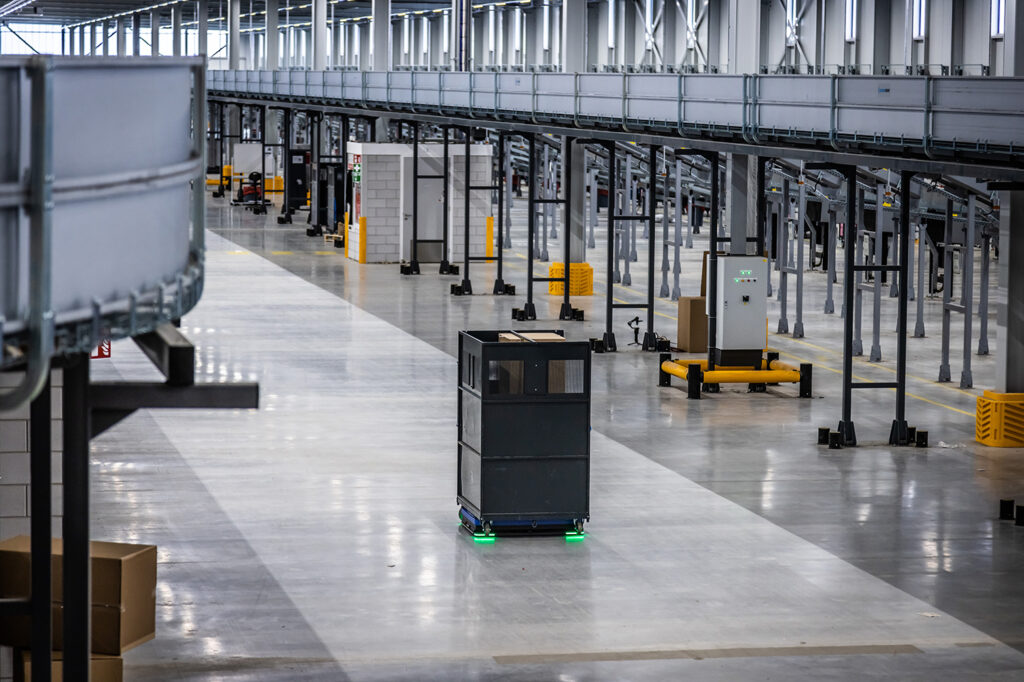
Because much of the infrastructure is automated, the marketplace can onboard many deals and investors in parallel without scaling costs linearly. That efficiency helps reduce overhead and expand deal flow.
Through technology, the CrowdStreet Marketplace converts what was once a high-barrier, relationship-driven investment process into something more accessible, transparent, and scalable for both sponsors and investors.
Use Cases: Problems Solved & Real-Life Utility
Use Case 1: Democratizing Access to Institutional-Grade CRE Deals
Traditionally, only institutional investors or large capital holders could access high-quality commercial real estate deals. The marketplace solves that barrier by aggregating vetted deals and offering them to accredited investors. No, we individuals can participate in projects across states and sectors without needing institutional relationships.
Use Case 2: Reducing Complexity & Friction in Capital Raising
For sponsors, raising equity often involves navigating investor outreach, regulatory compliance, subscription management, and capital logistics. The marketplace handles that whole workflow. Sponsors can focus on project execution rather than back-office capital operations.
Use Case 3: Enhancing Liquidity Planning / Exit Strategy
While commercial real estate is illiquid by nature, the marketplace’s structure provides clearer timelines, expectations, and exit mechanisms. Investors can better plan cash flow, track exit readiness, and compare alternative deals side by side.
Use Case 4: Portfolio Diversification & Risk Management
Investors can pick multiple deals across property types and geographies within the marketplace. This helps reduce idiosyncratic risk tied to one property. A single marketplace with standardized reporting and metrics simplifies diversified allocations.
Use Case 5: Transparency & Accountability in Sponsor-Investor Relationships
By requiring sponsors to provide regular updates and performance metrics, the marketplace reduces information asymmetry. Investors know when deals underperform or face challenges. This accountability helps build trust and enforce sponsor obligations.
These use cases show how the CrowdStreet Marketplace addresses both investor and sponsor pain points: access, complexity, diversification, accountability, and capital efficiency.
Risks, Considerations & Best Practices
While powerful, using the CrowdStreet Marketplace has inherent risks and considerations that savvy users must manage.
-
Illiquidity & Lock-up Periods: Investors often cannot redeem early. Capital is tied up until the property is sold or refinanced.
-
Sponsor Execution Risk: Even vetted sponsors can mismanage construction, leasing, budgets, or timelines.
-
Market & Economic Risks: Commercial real estate is exposed to cycles, interest rates, vacancy risk, and tenant defaults.
-
Fee Load & Waterfall Structures: While the marketplace itself may not directly charge investors, sponsor fees, promote structures, and capital stack costs can reduce net returns.
-
Concentration Risk: Investing heavily in a few deals exposes you to the failure of one property. Diversification is important.
-
Underwriting Assumptions Sensitivity: Revenue growth, lease rates, and exit multiple assumptions need stress testing.
-
Regulatory & Compliance Risks: Changes in securities laws, tax policy, or real estate regulation can affect returns or structure.
To mitigate risks, follow best practices:
-
Review all offering documents and assumptions in detail.
-
Compare comparable deals and markets.
-
Diversify across geographic, sector, and risk tiers.
-
Monitor project updates vigilantly.
-
Exit only when metrics or sponsor performance diverge meaningfully from projections.
Used properly, the marketplace can offer institutional-grade real estate opportunities with clarity and structure. Used poorly (blindly choosing high-return promo deals without diligence), it can lead to losses.
FAQ
Q1. Who can access the CrowdStreet Marketplace?
Only accredited investors can generally invest in the deals listed in the marketplace. These are individuals who meet certain net worth or income thresholds under securities regulation.
Q2. How soon after investing will I receive updates or distributions?
Most deals distribute income (rent, interest) on a quarterly or semiannual basis during the holding period. Exit distributions (capital return plus profit) occur at the disposition event or refinance, which may happen after several years.
Q3. Can I sell my position before the exit event?
Typically no. The CrowdStreet Marketplace does not generally offer a secondary market for trading individual holdings. Investors should plan to be invested for the full expected term unless special provisions exist.