Americold Realty Trust Inc Comprehensive Guide to the Cold-Storage REIT
Americold Realty Trust Inc. is a major player in the REIT world, specializing in temperature-controlled logistics real estate. As global food supply chains evolve and cold storage becomes essential, Americold has emerged as a critical link between producers, distributors, and consumers. This article explores Americold’s business model, strategies, technology, financial strength, real-world use cases, and its growing relevance in global logistics.
Business Model and Strategy of Americold Realty Trust Inc
Americold focuses on owning, operating, and developing temperature-controlled warehouses. These facilities handle perishable goods, such as frozen foods, dairy products, and fresh produce, which require strict climate management and operational precision.
The company’s key advantage lies in scale and global presence. With hundreds of facilities across multiple continents, Americold serves a diverse range of clients, thereby spreading geographic and economic risks. Its vast infrastructure allows the company to integrate deeply into global supply chains.
Americold also stands out for its vertical service integration. Instead of merely renting space, it provides value-added logistics services from blast freezing and labeling to cross-docking and food preparation. This not only boosts profitability but also makes Americold a one-stop partner for clients.
In addition, the company forms strategic partnerships with transport and logistics networks, co-locating warehouses near railways and ports to maximize efficiency. These partnerships enhance accessibility and streamline distribution routes, giving Americold a competitive advantage.
Finally, the company’s REIT structure ensures efficient capital allocation and steady dividend distribution, making it attractive to investors seeking long-term income and growth.
Financial Performance, Metrics & Valuation
Evaluating Americold’s financial performance requires understanding REIT-specific metrics. Traditional net income figures can be misleading due to large depreciation charges from refrigerated infrastructure.
Key metrics include:
-
Funds From Operations (FFO): Reflects cash-based earnings by adjusting for non-cash expenses.
-
Adjusted FFO (AFFO): Provides a clearer picture of recurring cash flow after maintenance expenses.
-
Net Asset Value (NAV): Shows the total worth of real estate minus liabilities.
-
Leverage and Interest Coverage: Indicators of financial stability and ability to service debt.
Americold’s business is capital-intensive, so managing debt and refinancing schedules is critical. Investors monitor its debt-to-equity ratio, cash flow growth, and occupancy rates to gauge sustainability.
When the market undervalues Americold’s shares compared to its intrinsic NAV, informed investors may view this as a long-term buying opportunity, especially as global demand for cold storage continues to rise.
Technology and Innovation Driving Americold’s Edge
Technology is the backbone of Americold’s operations. As a cold-chain logistics REIT, precision and reliability are paramount.
Americold employs IoT sensors and digital monitoring systems to maintain consistent temperature and humidity levels. These tools detect fluctuations in real time, allowing preventive maintenance and ensuring product integrity.
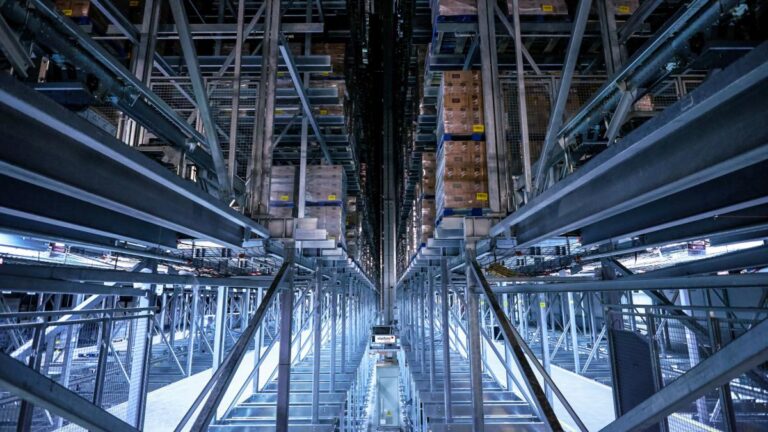
Automation and robotics streamline warehouse operations by reducing manual handling, enhancing speed, and minimizing errors. In large facilities, automated pallet systems help optimize space utilization and reduce energy waste.
Predictive analytics further improves demand forecasting and operational efficiency. By analyzing seasonal data, Americold can anticipate capacity needs, staffing requirements, and shipping patterns.
The integration of smart logistics systems across its network strengthens Americold’s reliability, making it indispensable to global supply chains.
Real-World Examples and Applications
1. Cross-Docking for Frozen Food Companies
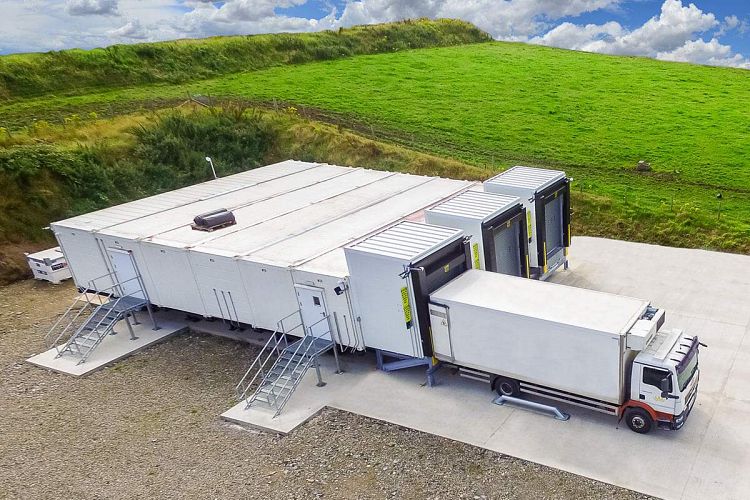
Frozen food distributors depend on minimal transit time between production and retail. Americold’s cross-docking system allows goods to move quickly through warehouses with minimal storage, preserving quality and reducing spoilage.
2. Rail-Linked Cold Storage Facilities
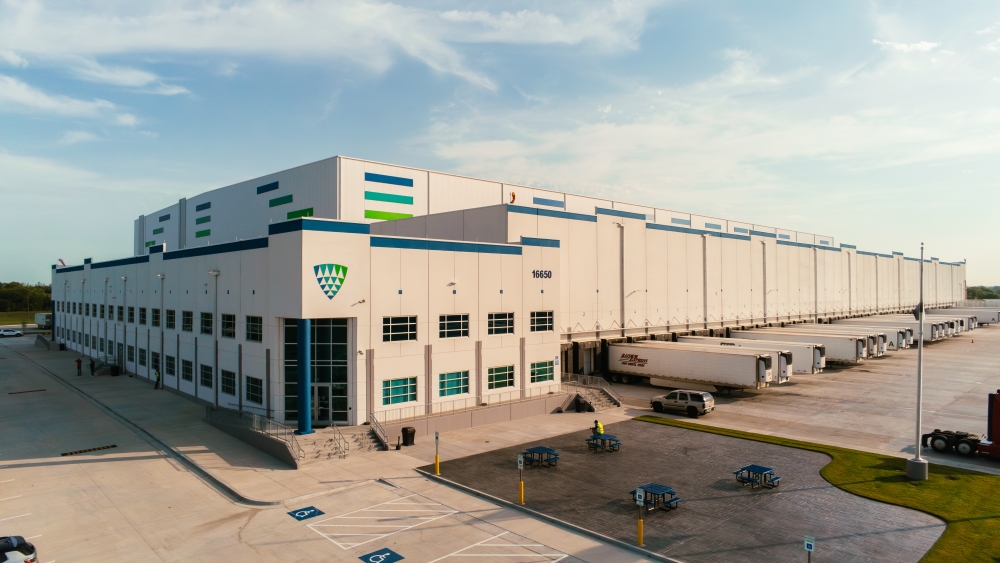
By locating warehouses near railway lines, Americold integrates long-distance transport directly into its logistics chain. This shortens transit times and lowers transportation costs, especially for bulk goods like meat and seafood.
3. Port-Based Cold Chain Hubs
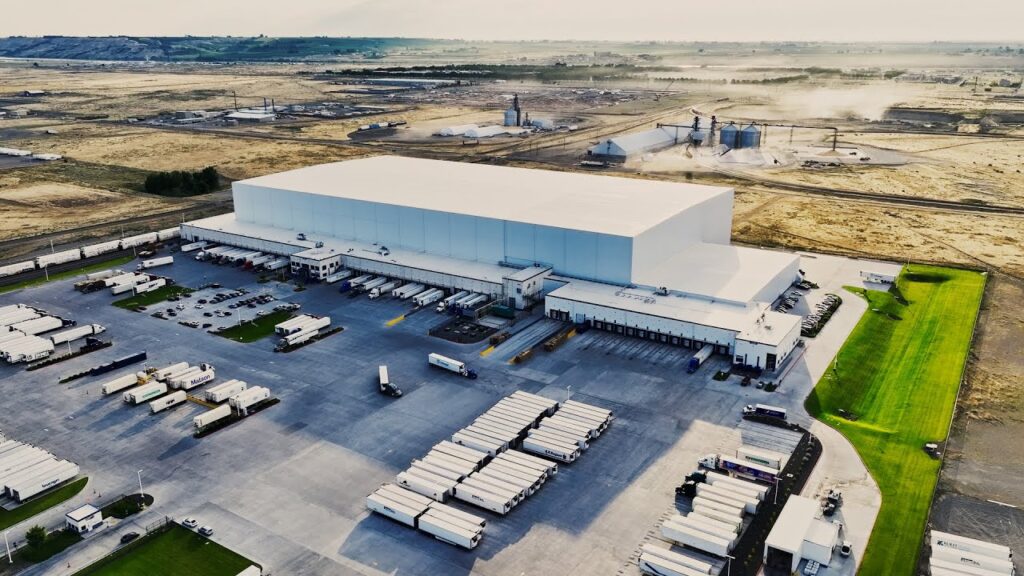
Strategically built near seaports, Americold’s cold storage hubs enable smoother import and export processes. Products can be refrigerated immediately upon arrival, ensuring compliance with global food safety standards.
4. Value-Added Packaging and Labeling Services

Americold offers clients on-site services such as labeling, repacking, and staging for shipment. These services save clients time, reduce logistics complexity, and build stronger long-term partnerships.
Each example demonstrates how Americold transforms basic warehousing into high-value, integrated logistics solutions that drive customer satisfaction and operational efficiency.
Benefits and Competitive Advantages
Americold’s business model delivers multiple benefits for clients and investors alike:
-
Reliable Cold Chain Operations
The company’s precision monitoring systems guarantee the integrity of perishable goods from storage to distribution. -
Global Reach with Local Expertise
Its wide geographic presence allows consistent service across markets, making it ideal for multinational food producers and retailers. -
Diverse Revenue Streams
By combining rent with service fees, Americold achieves stronger and more stable revenue performance. -
Strong Strategic Partnerships
Collaboration with transport and logistics operators increases network efficiency and lowers operational bottlenecks. -
Resilient Dividend Potential
As a REIT, Americold distributes a large portion of its earnings to shareholders, providing steady income while retaining growth prospects.
These factors position Americold as a leading cold storage REIT with significant long-term potential.
Challenges and Risk Management
Despite its strengths, Americold faces several operational and economic challenges:
-
High Energy Consumption: Cold storage facilities require constant power; energy price volatility can impact margins.
-
Maintenance Costs: Refrigeration systems need continuous upkeep, adding to capital expenditure.
-
Rising Interest Rates: Higher borrowing costs may pressure profitability.
-
Market Competition: The expansion of cold storage providers could lead to overcapacity.
-
Client Concentration: Losing a few large customers could affect revenue stability.
To manage these risks, Americold prioritizes energy efficiency, long-term lease agreements, diversified client portfolios, and strategic capital planning.
Use Cases: Problems Americold Helps Solve
1. Reducing Global Food Waste
By maintaining strict temperature control, Americold minimizes spoilage and ensures food safety throughout supply chains.
2. Supporting Export and Import Operations
Its port-adjacent facilities help streamline international food trade, making global distribution faster and safer.
3. Enabling Seasonal Flexibility
Producers can scale up or down storage needs based on seasonal demand without investing in their own infrastructure.
4. Strengthening Retail Supply Chains
Supermarkets and food manufacturers rely on Americold for reliable cold storage to meet consumer expectations for freshness.
Conclusion
Americold Realty Trust Inc. stands at the forefront of the cold-chain logistics revolution. Its combination of large-scale infrastructure, technological innovation, service integration, and strong partnerships makes it one of the most vital REITs in modern food distribution.
For investors, Americold offers both steady income and strategic growth potential, driven by the ever-increasing demand for global cold storage solutions. Understanding its metrics, technologies, and risk management is key to making smart, educated REIT investment decisions.
FAQ
1. What makes Americold different from other REITs?
Americold specializes in temperature-controlled facilities, unlike typical industrial REITs. This specialization adds operational complexity but creates strong barriers to entry and high client retention.
2. Is Americold a good long-term investment?
Yes, for investors seeking consistent income and exposure to food logistics. Its global footprint and steady dividend make it attractive in a defensive sector with long-term growth potential.
3. What risks should investors watch?
Main risks include rising energy costs, debt refinancing challenges, and changes in food supply chain demand. Regular financial monitoring helps investors navigate these risks effectively.